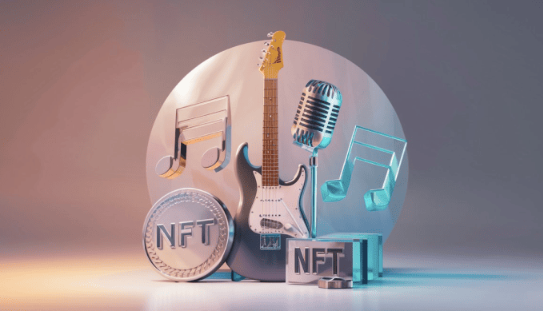
NFTs in music and entertainment are reshaping monetization and fan engagement through tokenized rights, experiences, and exclusive content. They enable traceable ownership, programmable royalties, and diversified revenue—from licensing to live experiences and limited drops. Data shows faster licensing cycles and more co-creation, allowing artists to scale strategies around fan behavior and platform economics. Yet governance, rights clarity, and interoperability remain hurdles that could redefine early momentum as the sector matures.
What NFTs Do for Music and Entertainment
NFTs in music and entertainment unlock tangible monetization and fan-engagement mechanics by tokenizing rights, experiences, and exclusive content.
Data indicates accelerated licensing cycles and diversified revenue streams, with traceable ownership histories and programmable royalties.
Analysts note increased fan ownership shifts, enabling co-creation and long-tail monetization.
Trends show music royalties distribution models evolving; platforms optimize efficiency while fans gain participatory influence via tokens.
How Artists Launch NFT Drops and Experiences
As brands have demonstrated how tokenized assets can unlock new revenue streams and fan participation, artists entering NFT drops and experiential tokens now apply scalable, data-informed release strategies to maximize impact. drops are increasingly planned around fan behavior, platform economics, and rights layer mechanics, enabling measured access to exclusive content, live-event experiences, and limited-edition collectibles. artist royalties, streaming integrations guide monetization.
Evaluating Risks, Rights, and Revenue in NFT Projects
From a detached perspective, analysts map rights ownership to provenance, assess revenue models against jurisdictional licenses, and quantify volatility, scalability, and creator royalties.
Trends indicate diversified revenue models while safeguarding rights ownership and ecosystem sustainability for freedom-minded stakeholders.
Real-World Examples and Practical Takeaways for Creators
What real-world patterns emerge when creators leverage NFTs in music and entertainment, and how do these patterns translate into actionable practices? Data shows diversified revenue streams through music licensing and limited-edition drops, while transparent fan governance fosters loyalty and content control.
Actionable takeaways: standardize metadata, implement smart contracts for royalties, and empower communities to co-create while preserving artistic freedom.
Frequently Asked Questions
How Do NFTS Affect Long-Term Fan Engagement Strategies?
Long term engagement improves when artists leverage cryptographic loyalty and community incentives, enabling granular fan analytics. This approach supports sustained participation, signals value to flexible audiences, and aligns incentives with evolving trends, fostering durable, data-driven fan ecosystems and freedom.
What Are Tax Implications for NFT Earnings in Music?
Tax treatment for NFT earnings in music varies by jurisdiction, with capital gains or ordinary income classifications; IRS reporting obligations apply, including Form 8949 and Schedule D for sales, and Schedule C for earned revenue, depending on activity.
Can NFTS Ensure Ongoing Revenue Beyond Initial Drops?
NFTs can provide ongoing revenue via nft licensing and royalty streams, though viability hinges on market demand, smart contract terms, and audience engagement; trends show gradual diversification, with creators pursuing fractionalized rights and persistent licensing models for sustained income.
How Do Royalties Work Across Multiple Marketplaces for Music NFTS?
Royalties flow through programmable splits, with primary creators and collaborators sharing according to contract terms across platforms; secondary market licensing may trigger ongoing distributions, though cross-market consistency varies. In practice, royalty distribution dashboards track, reconcile, and harmonize across marketplaces.
See also: AI in Drug Discovery
What Privacy Protections Exist for NFT Holders?
Privacy protections for NFT holders include pseudonymous ledgers and optional on-chain privacy tools; however, holder anonymity remains partial. Data-driven trends show evolving privacy safeguards, regulatory scrutiny, and industry pressure balancing transparency with user rights and freedom.
Conclusion
NFTs for music and entertainment blend tangible monetization with immersive fan engagement. Juxtapose programmable royalties against volatile markets, transparent governance with evolving rights frameworks, and standardized metadata amid bespoke drops. Data shows accelerated licensing cycles and scalable fan-driven revenue, yet interoperability hurdles and rights complexity persist. For creators, the trend is clear: leverage immersive drops and co-creation while embedding sustainable, rights-aware models. The juxtaposition—structured economics vs. creative experimentation—defines the path from experimentation to enduring value.